Task analysis means separating a larger activity into smaller actions. It helps adults identify exactly where assistance is useful. A child who cannot finish a routine may already manage most of its steps, so broad labels like cannot dress can hide strengths.
Where to start
Watch the routine before writing a checklist. Keep the order practical and describe visible actions. Choose one step to teach while providing support for the rest. An occupational therapist can help when movement, grip, or clothing design creates barriers.
An everyday example
A handwashing sequence might include turning on water, wetting hands, using soap, rinsing, turning off water, and drying. If the tap is difficult, changing the handle or using adult help may matter more than rehearsing the sequence repeatedly.
What to review
Track the chosen step separately and note environmental adjustments. Increase expectations only when the routine feels manageable. Avoid requiring one exact sequence when another safe approach works equally well; the purpose is practical independence, not perfect performance.
Make the goal useful outside practice
Before adding more teaching time, ask whether the skill matters in ordinary life. Give the child opportunities to make choices and communicate disagreement. Compare similar situations over several days, noting the support provided and whether the experience was comfortable. Share observations with qualified professionals when a plan needs individual assessment. Small gains can be worthwhile, but there is no universal timetable. If a method produces distress or does not improve everyday participation, change the arrangement rather than treating persistence alone as the solution.
Further reading
The practical examples above are educational suggestions. The following sources provide broader professional context; they do not individually validate every suggested activity.
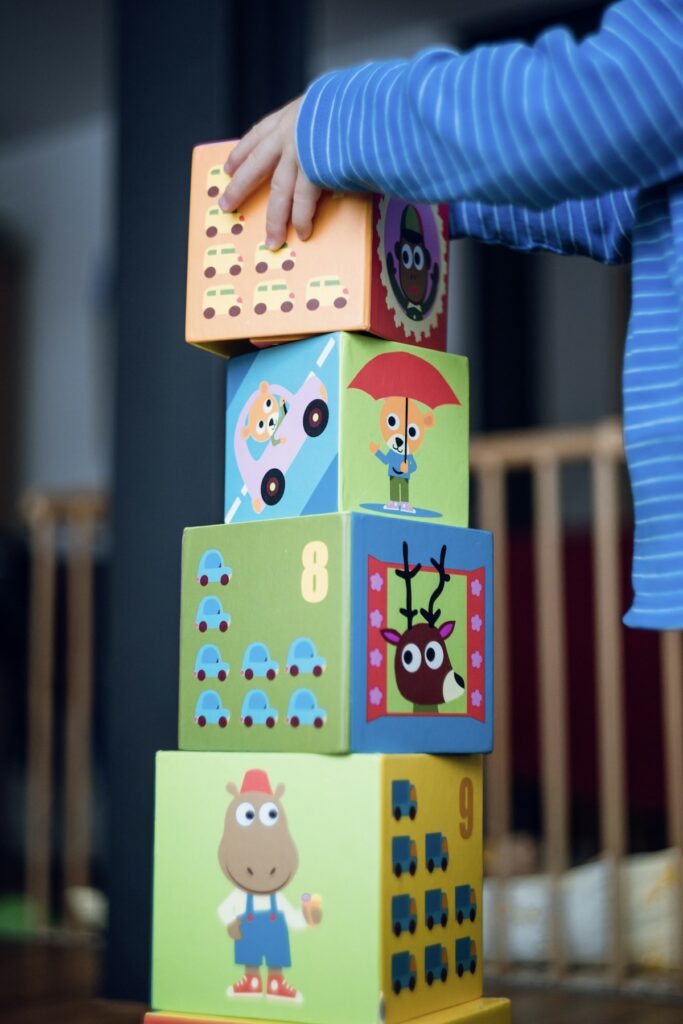
For individual health, communication, or safety concerns, consult the appropriate qualified professional. Stock photographs are representative and do not identify a diagnosis.