
ABA stands for applied behaviour analysis. It studies how learning happens and uses that understanding to teach useful skills. For a family, the important question is whether support makes everyday life easier, more meaningful, and more comfortable for their child.
Where to start
Ask a provider to describe a proposed goal in ordinary language. Request an example of a session, how they notice discomfort, and how the child can decline. Goals might involve asking for help, getting dressed, or joining an enjoyable game.
An everyday example
Imagine a child who struggles to open a snack container. An adult demonstrates a help gesture, responds promptly when the child uses it, and gradually reduces reminders. Success means the child has an effective way to get assistance, rather than simply completing more trials.
What to review
Review whether new skills appear outside appointments. Ask how progress, enjoyment, and stress are recorded. A programme should change when a goal is irrelevant or a method is distressing; the schedule alone does not establish quality.
Make the goal useful outside practice
Before adding more teaching time, ask whether the skill matters in ordinary life. Give the child opportunities to make choices and communicate disagreement. Compare similar situations over several days, noting the support provided and whether the experience was comfortable. Share observations with qualified professionals when a plan needs individual assessment. Small gains can be worthwhile, but there is no universal timetable. If a method produces distress or does not improve everyday participation, change the arrangement rather than treating persistence alone as the solution.
Further reading
The practical examples above are educational suggestions. The following sources provide broader professional context; they do not individually validate every suggested activity.
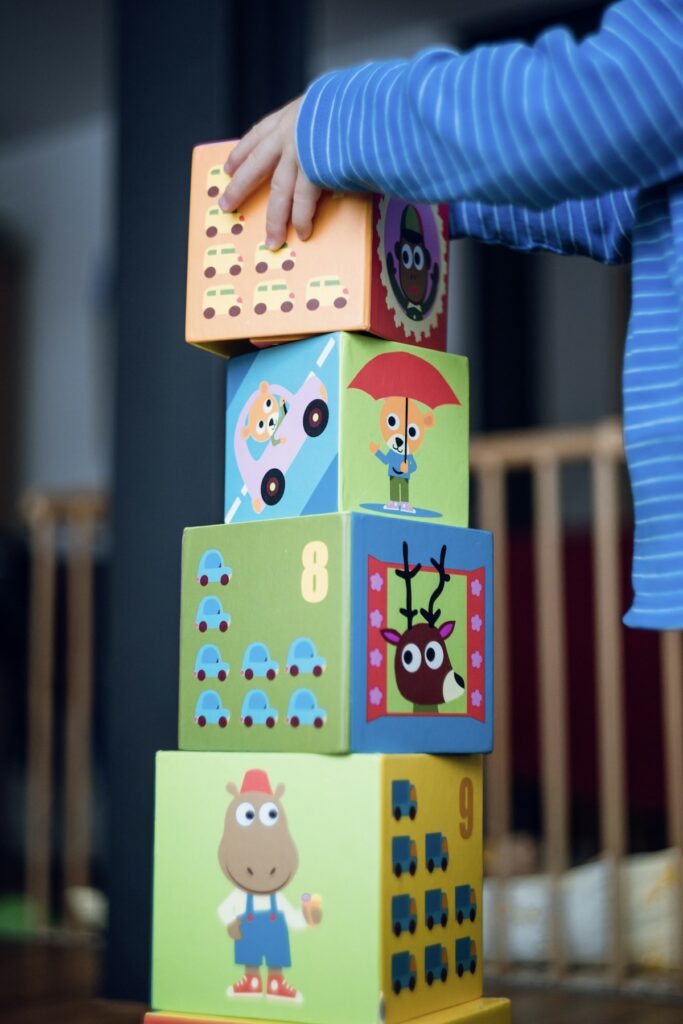
For individual health, communication, or safety concerns, consult the appropriate qualified professional. Stock photographs are representative and do not identify a diagnosis.