
Natural environment teaching builds learning opportunities into activities that already matter to a child. The setting might be a kitchen, garden, playground, or living room. The aim is useful participation, rather than turning every moment into a test.
Where to start
Observe what the child chooses. Join briefly, describe what is happening, and make space for communication. Keep materials accessible and offer help when needed. Plan one modest learning opportunity, then allow plenty of uninterrupted enjoyment.
An everyday example
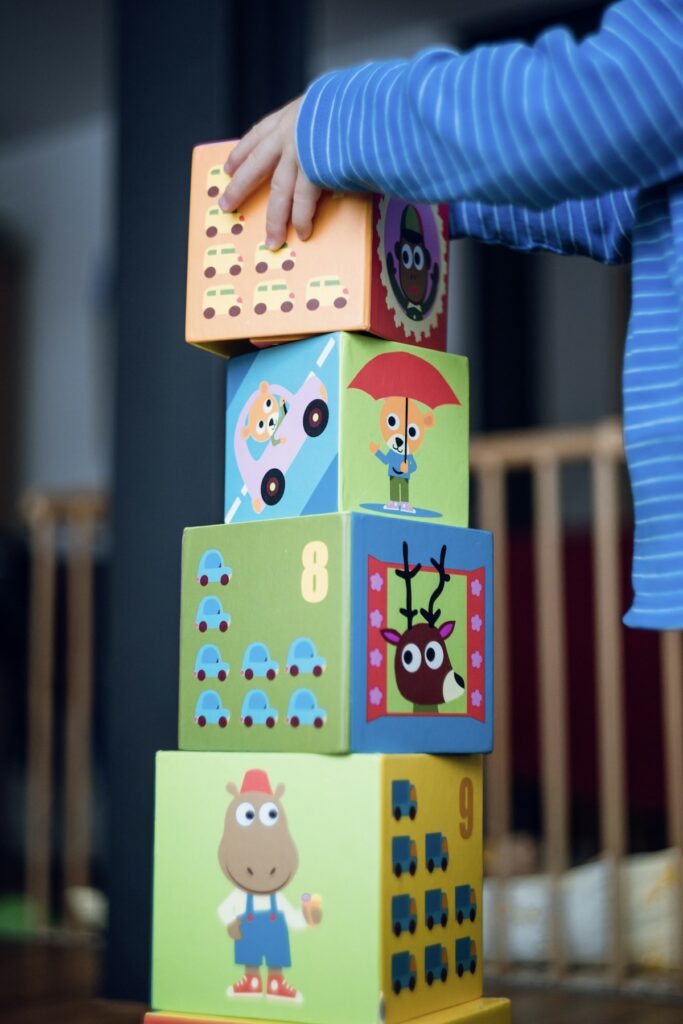
While building a tower, an adult offers a choice between two blocks. The child points to the blue one and receives it. Later, the adult models more, finished, and help without requiring the child to imitate every word before continuing.
What to review
Notice whether the child initiates interaction and remains interested. If play stops being enjoyable, reduce questions and demands. Share the successful arrangement with other caregivers so the skill can develop in familiar routines without becoming constant homework.
Make the goal useful outside practice
Before adding more teaching time, ask whether the skill matters in ordinary life. Give the child opportunities to make choices and communicate disagreement. Compare similar situations over several days, noting the support provided and whether the experience was comfortable. Share observations with qualified professionals when a plan needs individual assessment. Small gains can be worthwhile, but there is no universal timetable. If a method produces distress or does not improve everyday participation, change the arrangement rather than treating persistence alone as the solution.
Start with one observation from a familiar routine, then discuss a practical adjustment with the people who support your child. Give the change time to be understood, and record whether it makes daily life easier.
Further reading
The practical examples above are educational suggestions. The following sources provide broader professional context; they do not individually validate every suggested activity.
For individual health, communication, or safety concerns, consult the appropriate qualified professional. Stock photographs are representative and do not identify a diagnosis.