
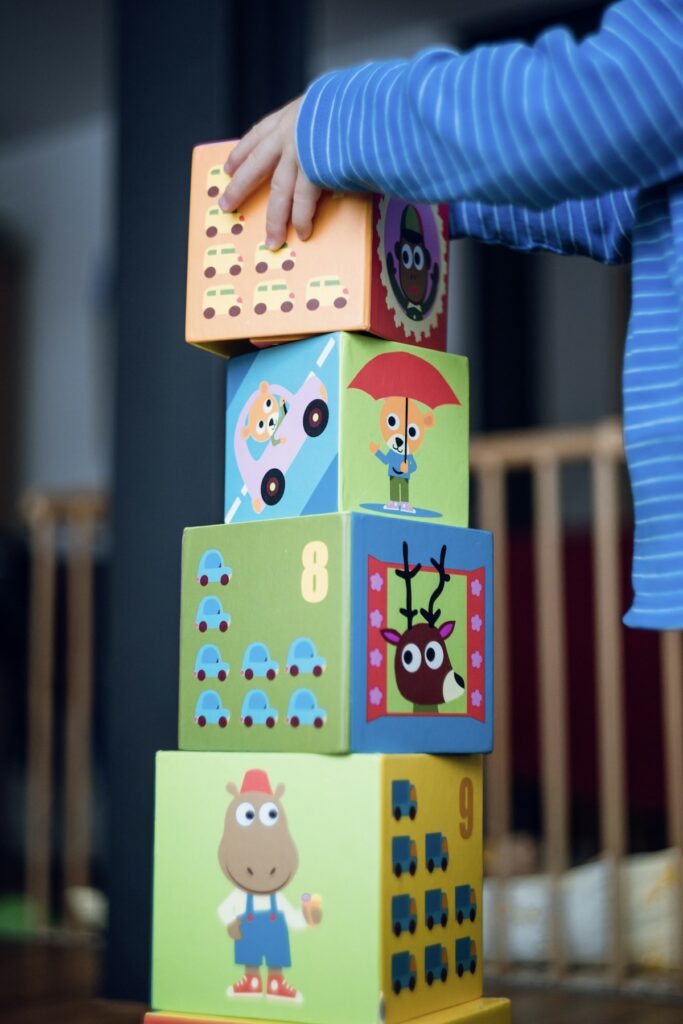
A first–then board shows two parts of a routine. It can reduce the amount of spoken explanation and make a short sequence easier to follow. It works best when both steps are clear and the arrangement is appropriate for the child.
Where to start
Use recognisable photographs, symbols, or words. Explain the sequence before starting and keep the first step manageable. Include a way to ask for help or stop. Do not turn necessary comfort, water, or communication access into the promised second step.
An everyday example
A board shows first put the painting on the drying shelf, then choose another colour. The adult helps with the shelf if needed. The second activity begins promptly so the information on the board remains trustworthy and useful.
What to review
Watch whether the child understands the sequence or is simply following adult prompts. If distress grows, check the task and timing rather than showing the board more insistently. Some routines need more flexibility or a different form of information altogether.
Check whether the information is genuinely accessible
Introduce visual supports in a familiar situation and watch how the child uses them. A display that looks clear to an adult may still be hard to recognise, reach, or interpret. Keep useful cues predictable, explain changes honestly, and include options for help or a pause. Review the arrangement with the child’s support team when it remains confusing. Visuals are information aids, not a guarantee of calm behaviour. They work best alongside comfortable environments, responsive adults, and realistic expectations about the task itself.
Further reading
The practical examples above are educational suggestions. The following sources provide broader professional context; they do not individually validate every suggested activity.
For individual health, communication, or safety concerns, consult the appropriate qualified professional. Stock photographs are representative and do not identify a diagnosis.