
A transition involves ending one activity and starting another. Difficulty can reflect uncertainty, interruption of an enjoyable task, sensory demands, or lack of control. Preparation should make the change clearer and more manageable instead of adding repeated warnings that increase stress.
Where to start
Explain the next activity using a visual or object cue. Offer a reasonable stopping point and, where possible, a choice about the next step. Notice whether countdowns help this child or make the ending feel more threatening.
An everyday example
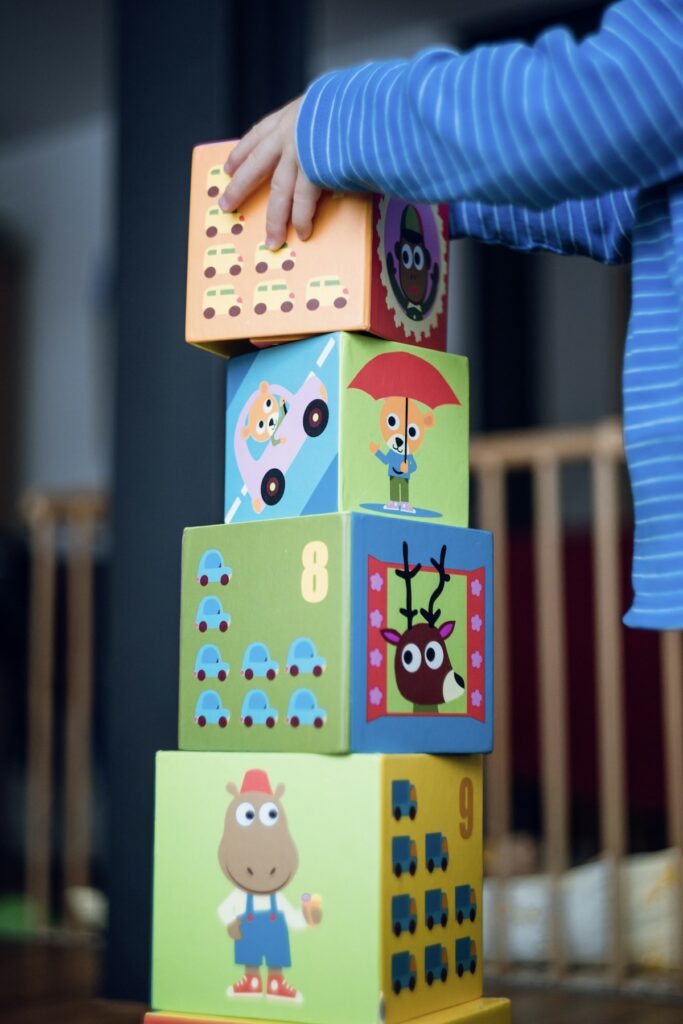
Before leaving a construction game, agree to finish the current tower and take a photo so it can be rebuilt later. Show the shoes and destination picture. The child can bring a familiar item if it makes the journey easier.
What to review
Track which transitions are difficult and what differs between them. A rushed move to a noisy room may need environmental changes, not more rehearsals. Include opportunities to request additional time or assistance when the situation allows it.
Check whether the information is genuinely accessible
Introduce visual supports in a familiar situation and watch how the child uses them. A display that looks clear to an adult may still be hard to recognise, reach, or interpret. Keep useful cues predictable, explain changes honestly, and include options for help or a pause. Review the arrangement with the child’s support team when it remains confusing. Visuals are information aids, not a guarantee of calm behaviour. They work best alongside comfortable environments, responsive adults, and realistic expectations about the task itself.
Further reading
The practical examples above are educational suggestions. The following sources provide broader professional context; they do not individually validate every suggested activity.
For individual health, communication, or safety concerns, consult the appropriate qualified professional. Stock photographs are representative and do not identify a diagnosis.