
Useful progress notes answer a small question: is this support helping in everyday life? Families do not need to record every movement or interaction. A brief, consistent observation can be more sustainable than a complicated sheet that nobody has time to finish.
Where to start
Choose one outcome and one short observation period. Define the skill clearly, note the opportunities, and distinguish independent attempts from prompted ones. Include comfort and participation so improvement is not measured only by task completion.
An everyday example
During breakfast, a parent notes how often a child requests help before becoming frustrated. A weekly note might say three independent requests from four opportunities, with the communication board within reach. That gives more context than simply writing good morning.
What to review
Review patterns over several comparable occasions. Illness, sleep, materials, and adult availability can change results. Keep private notes secure and share only what is needed. If recording creates stress, simplify the process with your support team.
Make the goal useful outside practice
Before adding more teaching time, ask whether the skill matters in ordinary life. Give the child opportunities to make choices and communicate disagreement. Compare similar situations over several days, noting the support provided and whether the experience was comfortable. Share observations with qualified professionals when a plan needs individual assessment. Small gains can be worthwhile, but there is no universal timetable. If a method produces distress or does not improve everyday participation, change the arrangement rather than treating persistence alone as the solution.
Further reading
The practical examples above are educational suggestions. The following sources provide broader professional context; they do not individually validate every suggested activity.
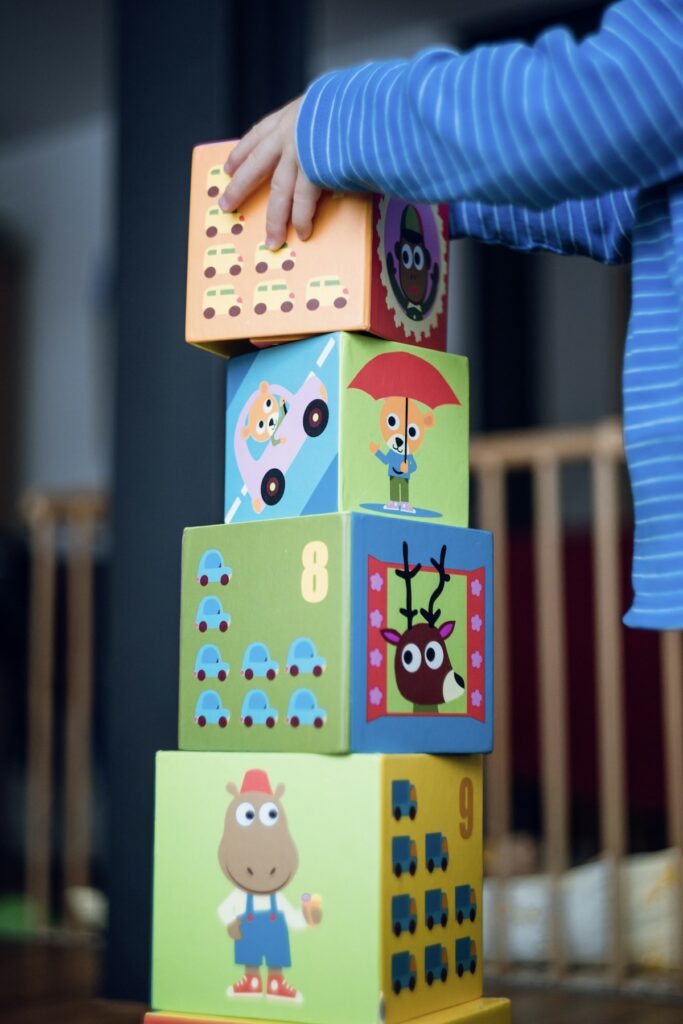
For individual health, communication, or safety concerns, consult the appropriate qualified professional. Stock photographs are representative and do not identify a diagnosis.