
Assent is a child’s ongoing indication that they are willing to participate. It can appear through words, gestures, approach, or relaxed engagement. A signed adult consent form does not tell you how a child feels about a particular activity today.
Where to start
Agree how the child can pause, refuse, or request a change. Make those messages accessible before starting. Adults should notice turning away, pushing materials aside, freezing, or distress, and respond with curiosity rather than treating every refusal as a behaviour to eliminate.
An everyday example
A child approaches a matching game, then moves away after two turns. The adult offers a break or a different activity and accepts the choice. Later, the team checks whether the task was difficult, repetitive, or simply less interesting that day.
What to review
Look at whether participation is voluntary and whether refusal changes adult behaviour. Necessary safety actions may still be required, but they should be proportionate and explained accessibly. Learning plans should support agency alongside skill development.
Make the goal useful outside practice
Before adding more teaching time, ask whether the skill matters in ordinary life. Give the child opportunities to make choices and communicate disagreement. Compare similar situations over several days, noting the support provided and whether the experience was comfortable. Share observations with qualified professionals when a plan needs individual assessment. Small gains can be worthwhile, but there is no universal timetable. If a method produces distress or does not improve everyday participation, change the arrangement rather than treating persistence alone as the solution.
Further reading
The practical examples above are educational suggestions. The following sources provide broader professional context; they do not individually validate every suggested activity.
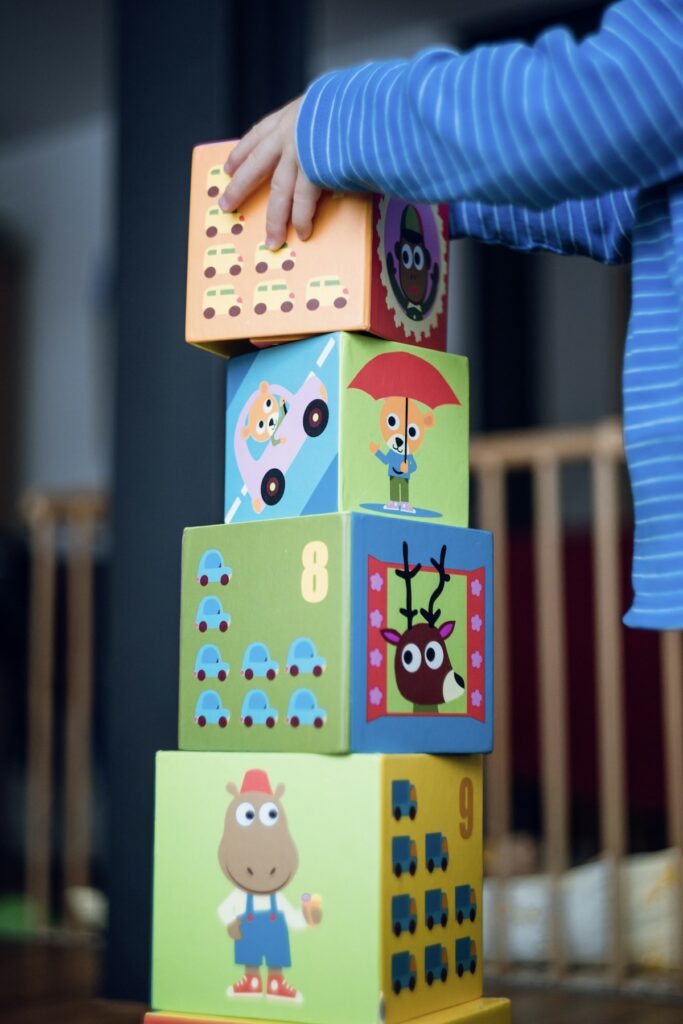
For individual health, communication, or safety concerns, consult the appropriate qualified professional. Stock photographs are representative and do not identify a diagnosis.