
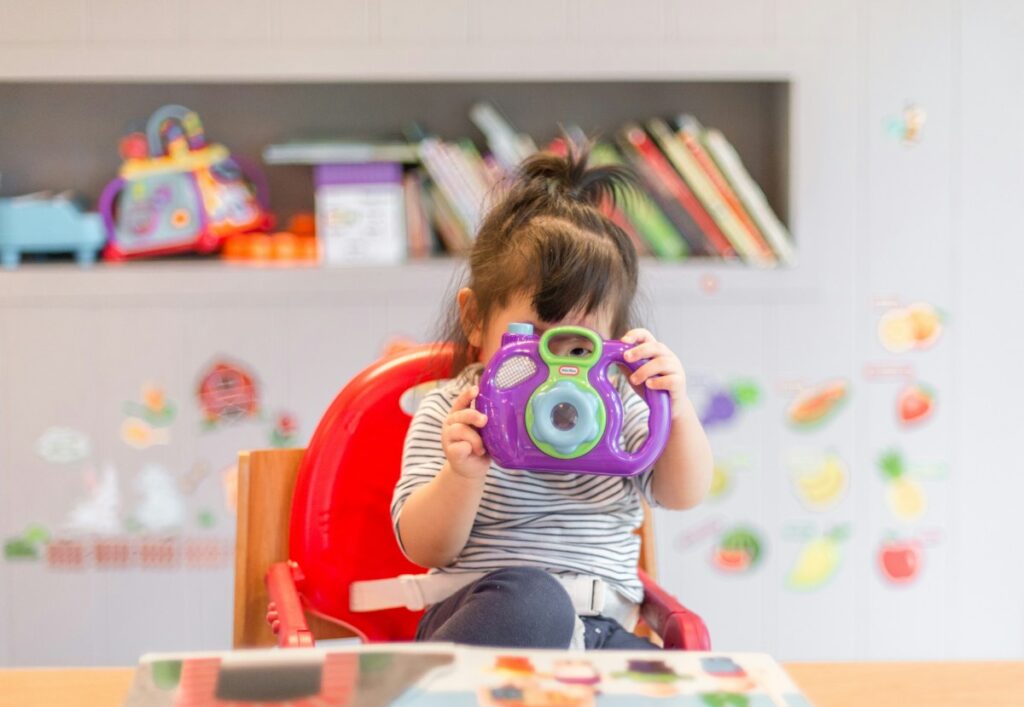
A child who does not use speech still communicates through movement, expression, gestures, sounds, and other systems. Speech alone does not reveal understanding or potential. Adults should address the child directly and offer accessible ways to influence what happens around them.
Where to start
Look for patterns in how the child approaches, rejects, requests, or shares interest. Make AAC available and ask professionals about suitable access methods. Avoid speaking about the child as if they are absent, especially when discussing personal needs.
An everyday example
When choosing music, an adult shows options and observes a clear reach towards one. The choice is acknowledged and played. Over time, the team can expand options and make the selection method more reliable without dismissing the first communication attempts.
What to review
Check whether unfamiliar adults know how to recognise the child’s messages. Prepare a short communication profile with permission and protect personal information. Never infer low intelligence from limited speech, or promise a particular speech outcome from a generic exercise.
Keep communication available throughout the day
A communication method needs responsive partners as well as suitable materials. Accept gestures, sounds, pictures, writing, and speech rather than selecting one acceptable channel for every situation. Give the child time to respond and avoid guessing with certainty when a message is unclear. Review access and vocabulary with a speech-language pathologist, especially if movement, vision, or language differences create barriers. Communication includes comments, feelings, disagreement, and relationships, not only requesting objects. Carry useful tools between settings and keep a practical backup for devices.
Further reading
The practical examples above are educational suggestions. The following sources provide broader professional context; they do not individually validate every suggested activity.
For individual health, communication, or safety concerns, consult the appropriate qualified professional. Stock photographs are representative and do not identify a diagnosis.