
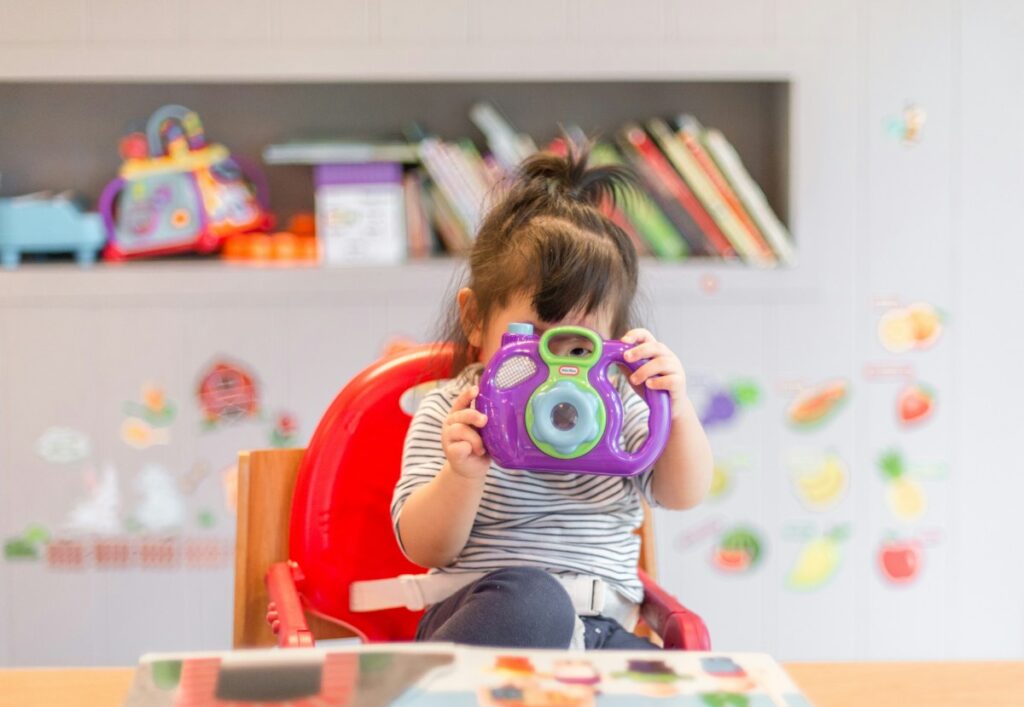
A communication profile tells new adults how to understand and support a child. It is a practical introduction, not a diagnosis summary. The most useful information describes what the child does, what it may mean, and how adults can respond respectfully.
Where to start
Include how the child indicates yes, no, help, discomfort, and a break. Explain where AAC is kept and how it is accessed. Add preferred interaction styles and situations that make communication harder, such as noise or rushed questions.
An everyday example
A profile might say that offering an object can mean an invitation to play, while moving it away means stop. It can also explain that speech varies across situations and that a picture message should receive the same attention as a spoken request.
What to review
Review the profile with people who know the child well, and involve the child where possible. Date it and update changed meanings. Share only necessary information with relevant caregivers; a public website or unrestricted group chat is unsuitable for private details.
Keep communication available throughout the day
A communication method needs responsive partners as well as suitable materials. Accept gestures, sounds, pictures, writing, and speech rather than selecting one acceptable channel for every situation. Give the child time to respond and avoid guessing with certainty when a message is unclear. Review access and vocabulary with a speech-language pathologist, especially if movement, vision, or language differences create barriers. Communication includes comments, feelings, disagreement, and relationships, not only requesting objects. Carry useful tools between settings and keep a practical backup for devices.
Further reading
The practical examples above are educational suggestions. The following sources provide broader professional context; they do not individually validate every suggested activity.
For individual health, communication, or safety concerns, consult the appropriate qualified professional. Stock photographs are representative and do not identify a diagnosis.