
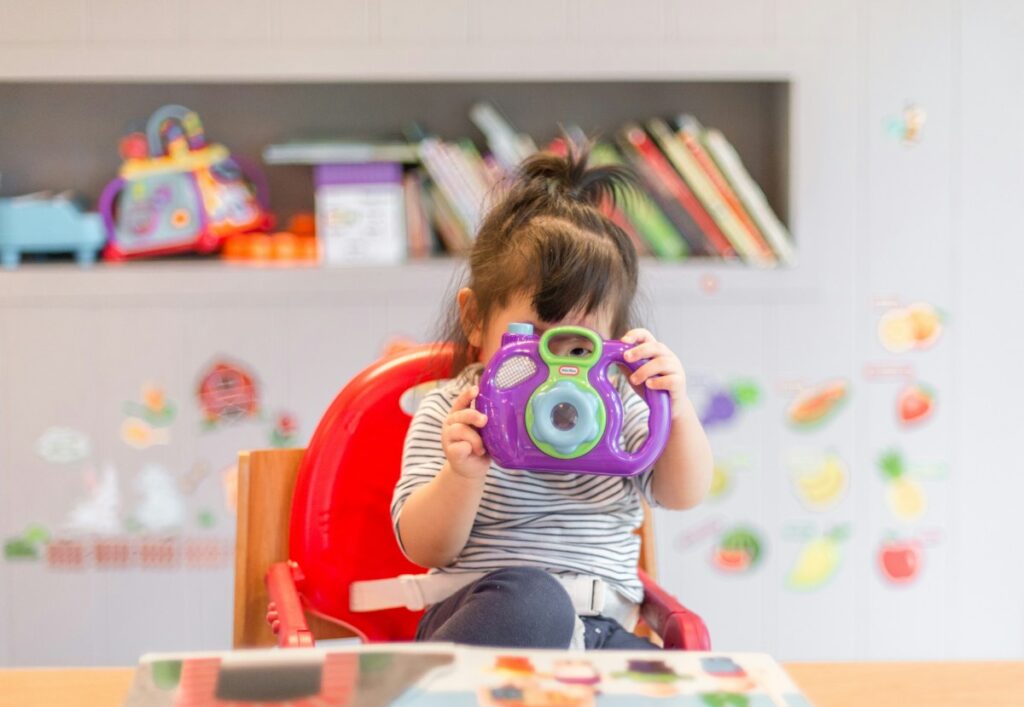
Choice-making gives children influence over their day. A meaningful choice has options that are genuinely available and an adult who will respect the response. Too many alternatives, rushed questions, or choices with only one acceptable answer can make participation harder.
Where to start
Begin with two clear options and show the actual objects when possible. Allow time to look, reach, point, or use AAC. Include a way to say neither or something else, especially if the child appears uncertain or disengaged.
An everyday example
Before reading, offer two books at the child’s level. If the child moves both aside, acknowledge that response and offer a different activity. Do not repeat the question until the child chooses the option the adult originally preferred.
What to review
Notice which presentation is easiest: objects, photographs, symbols, or spoken options. Adjust for vision and movement needs. Some decisions, such as safety limits, are adult responsibilities; explain these honestly rather than presenting them as pretend choices.
Keep communication available throughout the day
A communication method needs responsive partners as well as suitable materials. Accept gestures, sounds, pictures, writing, and speech rather than selecting one acceptable channel for every situation. Give the child time to respond and avoid guessing with certainty when a message is unclear. Review access and vocabulary with a speech-language pathologist, especially if movement, vision, or language differences create barriers. Communication includes comments, feelings, disagreement, and relationships, not only requesting objects. Carry useful tools between settings and keep a practical backup for devices.
Further reading
The practical examples above are educational suggestions. The following sources provide broader professional context; they do not individually validate every suggested activity.
For individual health, communication, or safety concerns, consult the appropriate qualified professional. Stock photographs are representative and do not identify a diagnosis.