
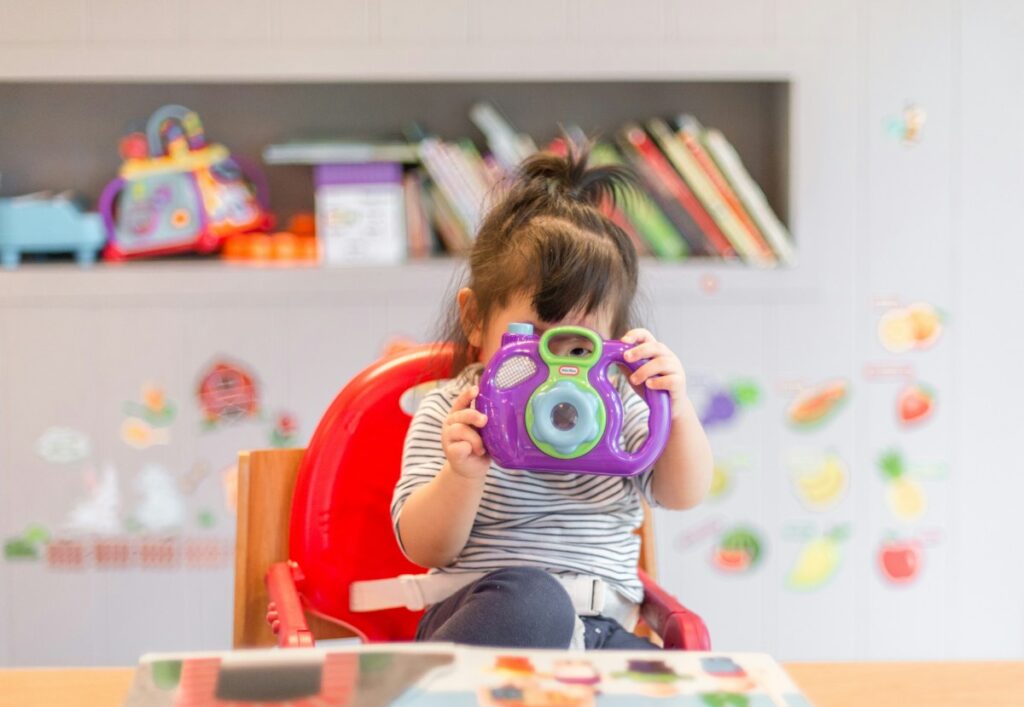
An accessible help request can reduce the need to guess what a child wants. It may be a word, gesture, picture, or device message. The best form is one the child can use reliably when something becomes difficult, including when speech is unavailable.
Where to start
Identify routine moments where assistance is genuinely needed. Model the request briefly and provide help promptly. Avoid deliberately creating prolonged frustration or hiding essential items to force communication. The child should learn that asking works.
An everyday example
A child cannot open a pencil case. The adult points to a help symbol, says help, and opens the zip. On another occasion, the adult pauses briefly to allow a request but assists if the child is distressed or cannot access the symbol.
What to review
Notice whether the request begins appearing with different tasks and people. Make sure adults respond before the problem grows. A request may remain imperfect, and it still matters; clarity and access are more valuable than insisting on a polished phrase.
Keep communication available throughout the day
A communication method needs responsive partners as well as suitable materials. Accept gestures, sounds, pictures, writing, and speech rather than selecting one acceptable channel for every situation. Give the child time to respond and avoid guessing with certainty when a message is unclear. Review access and vocabulary with a speech-language pathologist, especially if movement, vision, or language differences create barriers. Communication includes comments, feelings, disagreement, and relationships, not only requesting objects. Carry useful tools between settings and keep a practical backup for devices.
Further reading
The practical examples above are educational suggestions. The following sources provide broader professional context; they do not individually validate every suggested activity.
For individual health, communication, or safety concerns, consult the appropriate qualified professional. Stock photographs are representative and do not identify a diagnosis.